 ultimate-guide
Symptoms of Serious Spine Injury: A 2026 Guide
Table of Contents
- How to Tell If a Spine Injury Is Serious
- Autonomic Dysreflexia and Bowel or Bladder Dysfunction
- Cauda Equina Syndrome Symptoms You Should Never Ignore
- When to See a Doctor for Back Pain vs. Call 911
- First Aid for Suspected Spinal Injury Before Help Arrives
- Age-Specific and Psychological Warning Signs of Serious Spine Injury
- Conclusion
Last Updated: August 16, 2026
How to Tell If a Spine Injury Is Serious
Recognizing serious spine injury symptoms can mean the difference between full recovery and permanent disability. People who fare worst are those who dismiss early warning signs as ordinary back pain. A serious spine injury involves damage to the vertebral column, spinal cord, or surrounding nerve structures that causes neurological deficits, loss of function, or structural instability, distinct from common muscle soreness or ligament strain.
The clearest signal that something more serious is happening: neurological symptoms. Numbness, tingling, weakness radiating into the arms or legs, or sudden changes in bladder or bowel control are not symptoms to ignore. Below, we cover major warning signs, when to call 911 versus schedule an urgent appointment, and what to do in critical minutes before help arrives.

Neurological Deficits: Numbness, Tingling, and Paresthesia
Paresthesia is abnormal sensation, numbness, tingling, burning, or "pins and needles", arising without obvious external cause. When these sensations appear after trauma or alongside back pain, they indicate nerve compression or damage along the spinal cord or nerve roots.
Paresthesia following a dermatomal pattern (traveling along a defined strip of skin corresponding to a specific spinal level) is particularly significant. Tingling radiating from the neck into the fingers suggests cervical spine involvement; numbness shooting from the lower back through the buttock into the foot points toward the lumbar region. These patterns deserve prompt medical evaluation. Complete numbness in a limb or across the saddle area (inner thighs and perineum) is a neurological emergency.
Motor Function Changes and Muscle Weakness
Sudden or progressive muscle weakness is among the most reliable indicators of spinal cord or nerve root compromise. The key distinction is between weakness from pain-related guarding (muscles hurt too much to use fully) and true neurological weakness (where the brain signal is blocked).
A practical test: can the person raise both arms overhead, squeeze both hands with equal force, dorsiflex both feet, and walk heel-to-toe without stumbling? Asymmetry, drop foot, or inability to perform these movements points toward neurological deficit rather than pain alone. Spasticity and abnormal reflex changes warrant immediate neurological assessment.
Respiratory Distress and Breathing Difficulties
High cervical spine injuries, particularly at C3 through C5, can compromise nerve signals controlling the diaphragm, causing respiratory distress that can progress to failure within minutes. Any person who has sustained trauma to the head, neck, or upper back and is now breathing shallowly, struggling to breathe deeply, or using accessory neck muscles requires emergency medical services immediately. Do not reposition them.
According to the National Institute of Neurological Disorders and Stroke, cervical spine injuries carry the highest risk of life-threatening respiratory complications among all spinal cord injury levels.
Autonomic Dysreflexia and Bowel or Bladder Dysfunction
Autonomic dysreflexia is a potentially life-threatening condition occurring in people with spinal cord injuries at or above T6. It is triggered when a stimulus below the injury level, a full bladder, constipation, or skin irritation, sends signals the damaged spinal cord cannot properly regulate, causing sudden severe blood pressure spikes that can trigger stroke, seizure, or cardiac event.
Classic symptoms include pounding headache, profuse sweating above the injury level, facial flushing, blotchy skin, and slow heart rate despite elevated blood pressure. For anyone with a known spinal cord injury, these symptoms are a medical emergency.
Sudden inability to urinate, urinary retention, fecal incontinence, or loss of sensation to use the toilet are hallmark signs of cauda equina syndrome or significant spinal cord compression. These should never be attributed to stress or medication without ruling out a spinal cause. As documented in guidance from the American Association of Neurological Surgeons, autonomic dysreflexia is underrecognized outside specialized rehabilitation settings.
Cauda Equina Syndrome Symptoms You Should Never Ignore
Cauda equina syndrome is a rare but catastrophic spinal emergency caused by severe compression of nerve roots at the base of the spinal cord in the lumbar region.
The defining symptom cluster includes:
- Saddle anesthesia: numbness in the inner thighs, perineum, and buttocks
- Bladder dysfunction: acute urinary retention or incontinence
- Bowel dysfunction: loss of bowel control or inability to feel the urge to defecate
- Bilateral leg weakness or radiating pain down both legs simultaneously
- Sudden sexual dysfunction alongside the above symptoms
The critical point: the window for surgical intervention is narrow. Delays beyond 24 to 48 hours from symptom onset are associated with significantly worse long-term outcomes. A common mistake is attributing saddle anesthesia to prolonged sitting or sciatica. Sciatica typically affects one leg; bilateral symptoms combined with bladder or bowel changes require emergency imaging.
| Symptom | Sciatica | Cauda Equina Syndrome |
|---|---|---|
| Leg pain | Usually one side | Often both sides |
| Bladder/bowel changes | Rare | Common and urgent |
| Saddle numbness | Absent | Hallmark sign |
| Onset | Gradual | Often sudden |
| Urgency | Urgent appointment | Emergency room immediately |
When to See a Doctor for Back Pain vs. Call 911
Most back pain does not require an ER visit, but some presentations cannot wait.
Red Flags That Require Emergency Medical Services Immediately
Call 911 or go directly to an emergency room if any of the following are present:
- Back or neck pain following significant trauma: fall from height, motor vehicle accident, sports collision, or direct blow to the spine
- Loss of consciousness at any point during or after the injury
- Inability to move the arms, legs, hands, or feet
- Sudden numbness or tingling in both legs, the groin, or the saddle area
- Loss of bladder or bowel control appearing alongside the pain
- Severe, unrelenting pain not relieved by any position change
- Signs of autonomic dysreflexia: pounding headache, flushing, blood pressure spikes
- Respiratory distress or difficulty breathing after neck or upper back trauma
These require in-person emergency assessment, imaging, and often immediate vertebral column stabilization.
Symptoms That Warrant an Urgent but Non-Emergency Visit
The following should prompt a same-day or next-day appointment with a spine specialist or primary care physician:
- Radiating pain down one leg persisting more than a week without improvement
- New onset numbness or tingling in a single limb without trauma
- Back pain in someone with a history of cancer, osteoporosis, or immune suppression
- Pain waking you from sleep consistently, particularly in the thoracic spine
- Back pain in a child or adolescent not resolving within a few days
- Progressive leg weakness over days or weeks, even if mild
First Aid for Suspected Spinal Injury Before Help Arrives
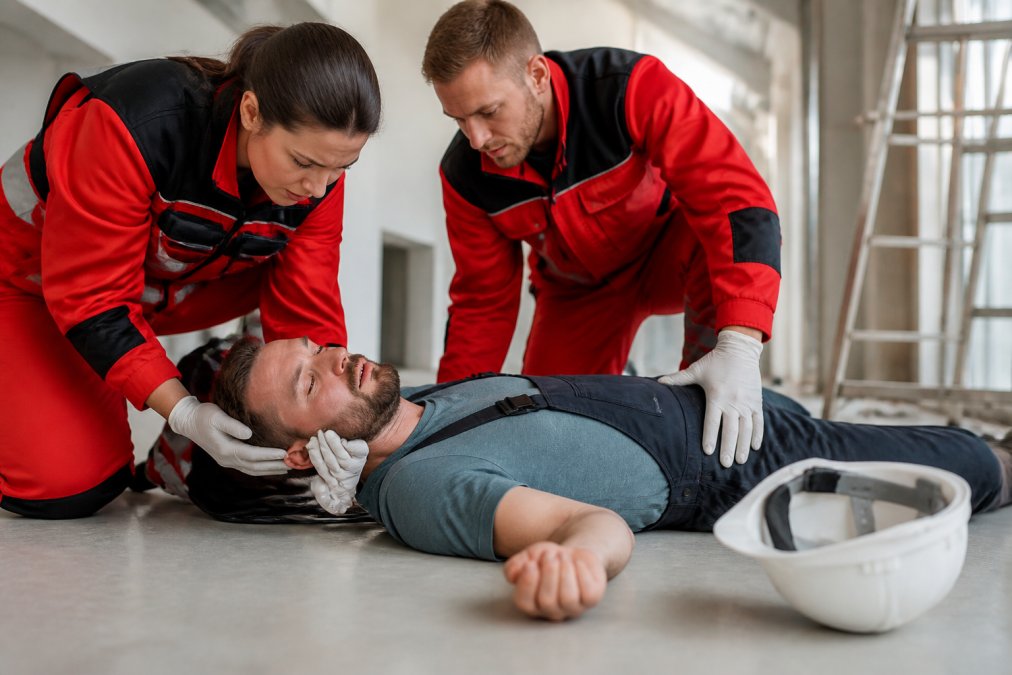
First aid for suspected spinal injury follows one overriding principle: do not move the person. Repositioning can convert a stable fracture into a complete spinal cord injury. Immobilization is the single most important intervention a bystander can provide.

Follow these steps while waiting for emergency medical services:
- Call 911 immediately. Describe the mechanism of injury, level of consciousness, and any visible neurological symptoms.
- Keep the person still. Instruct them not to move their head or neck. If unconscious but breathing, do not roll them unless airway management is absolutely necessary.
- Stabilize the head and neck manually. If trained, place your hands on either side of the head to maintain neutral alignment. Do not apply traction or straighten the neck if abnormal.
- Do not remove a helmet. Leave it in place unless airway access is impossible.
- Monitor breathing and consciousness. If breathing stops and you are trained in CPR, log-roll the person as a unit while maintaining spinal alignment.
- Reassure the person. Keep them calm and still.
According to the American College of Emergency Physicians, improper movement of a person with unstable spinal injury in the pre-hospital setting remains a preventable cause of secondary neurological damage.
Age-Specific and Psychological Warning Signs of Serious Spine Injury
Serious spine injury does not present identically across all ages. Recognizing how symptoms differ by age and understanding the psychological dimension of spinal trauma are important angles often underemphasized.
How Symptoms Differ in Older Adults vs. Younger Patients
Older adults present a distinct clinical picture. Bone density loss means fractures can occur from low-energy mechanisms: a simple fall from standing height, a minor car bump, or even a vigorous cough in someone with severe osteoporosis. The threshold for imaging should be lower.
Older patients with pre-existing spinal degeneration may have new neurological symptoms dismissed as part of a familiar pattern. A key warning sign: any sudden change from baseline. If an older adult who has managed chronic back pain suddenly develops new numbness, weakness, or bladder symptoms, that change deserves urgent evaluation.
Younger patients and children typically sustain spinal injuries through high-energy mechanisms: sports collisions, diving accidents, falls from significant height. Pediatric spinal injuries can occur without visible fracture on plain X-ray due to spine flexibility, a phenomenon called SCIWORA (spinal cord injury without radiographic abnormality). Neurological symptoms in a child after trauma warrant MRI even when initial imaging appears normal.
Psychological Impact: Anxiety, Depression, and Mental Health After Spinal Trauma
The psychological impact of serious spine injury is a primary concern. Acute spinal trauma triggers rational fear: the person does not know whether their injury is temporary or permanent. What follows frequently includes acute stress responses, sleep disruption, hypervigilance, and anxiety or depression.
Post-traumatic psychological symptoms can amplify pain perception, reduce rehabilitation adherence, and delay recovery. Recognizing this is not dismissing physical symptoms as psychological; it is understanding that spinal trauma affects the whole person. Mental health warning signs, persistent low mood, fear of movement, catastrophic thinking, are as important to address as physical ones.
A person recovering from serious spine injury who reports hopelessness about recovery, fear of movement, or sleep fewer than five hours nightly due to pain and worry needs psychological support as part of their care plan. Effective recovery approaches treat both dimensions. As noted in research published by the National Spinal Cord Injury Statistical Center, psychological outcomes after spinal cord injury are strongly correlated with early access to clear information and coordinated care.
This article is for general informational purposes only and does not constitute medical advice. If you are experiencing symptoms described here, seek evaluation from a qualified healthcare professional or call emergency services.
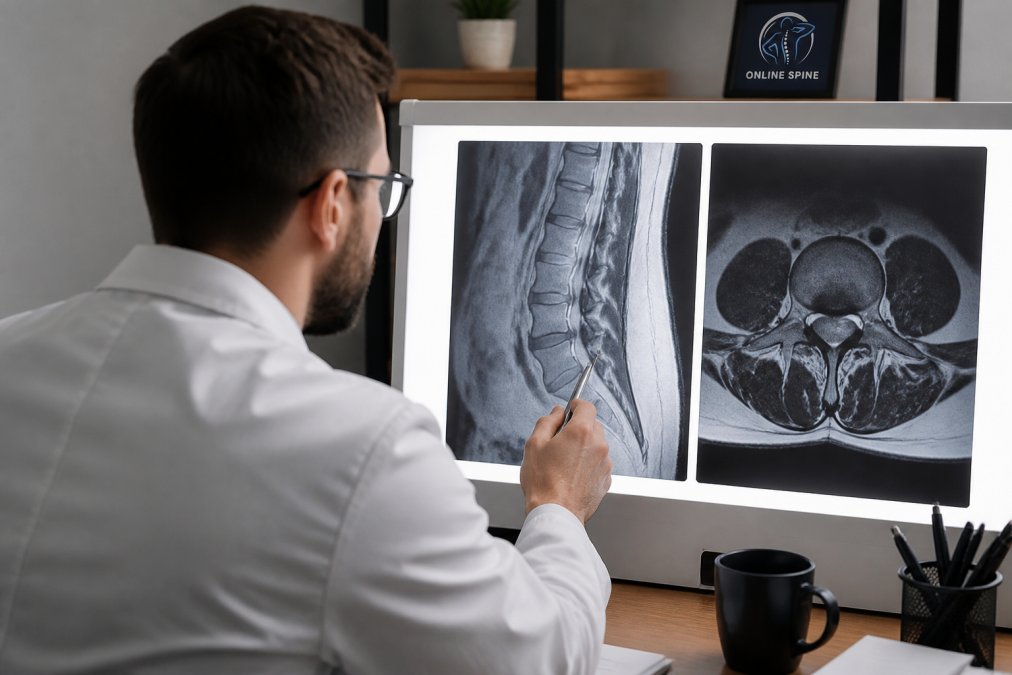
Distinguishing a serious spine injury from routine back pain is genuinely difficult without proper assessment, and the stakes of getting it wrong are high. If you have radiating pain, new neurological symptoms, or imaging results you can't fully interpret, start your Spine Assessment with Online Spine, a HIPAA-compliant, AI-guided platform verified by over 500 spine specialists, and get a plain-language report that tells you exactly what your symptoms mean and what to do next.
Frequently Asked Questions
Can you have a serious spine injury and not know it?
Yes. Some serious spine injuries produce delayed or subtle symptoms, especially when spinal shock temporarily masks neurological deficits. A person may walk away from a trauma only to develop numbness, tingling, or muscle weakness hours later. Any significant impact to the vertebral column, a fall, car accident, or sports collision, warrants medical evaluation even if you feel relatively normal immediately afterward. Do not wait for symptoms to worsen before seeking assessment.
What are the immediate symptoms of a spinal cord injury?
Immediate symptoms of a spinal cord injury include sudden, intense pain or pressure in the neck or back, loss of sensation below the injury site, muscle weakness or paralysis, loss of bladder or bowel control, difficulty breathing, and loss of coordination. Radiating pain, numbness, or tingling in the arms or legs are also common early signs. These symptoms signal a medical emergency, call 911 and keep the person as still as possible until emergency medical services arrive.
What are the neurological signs of a spinal injury?
Neurological signs of a spinal injury include sensory loss, paresthesia (pins-and-needles sensations), reflex changes, spasticity, and loss of motor function below the level of injury. In cervical spine injuries, all four limbs may be affected. Lumbar region injuries more often impact the legs and lower body. Autonomic dysreflexia, marked by sudden blood pressure fluctuations, sweating, and headache, is a serious neurological sign seen in higher-level spinal cord injuries and requires immediate attention.
When should you go to the ER for back pain?
Go to the ER immediately if back pain follows a traumatic injury, is accompanied by loss of bladder or bowel control, causes numbness or weakness in the legs, or makes breathing difficult. Saddle anesthesia (numbness in the groin and inner thighs) is a hallmark of cauda equina syndrome and is a surgical emergency. Fever with severe back pain, or pain so severe you cannot move, also warrants emergency evaluation rather than a routine doctor visit.
How do I know if my spine pain is serious versus ordinary back pain?
Ordinary back pain typically improves with rest and does not involve neurological symptoms. Serious spine injury symptoms include radiating pain that travels down an arm or leg, numbness or tingling, muscle weakness, loss of reflexes, or any change in bladder and bowel function. Pain that wakes you from sleep, persists beyond several weeks without improvement, or follows a fall or accident should prompt a medical evaluation. An AI-guided assessment can help clarify whether your symptoms align with patterns seen in serious spinal conditions.
What is cauda equina syndrome and why is it an emergency?
Cauda equina syndrome occurs when nerve roots at the base of the spinal cord are compressed, disrupting motor and sensory function to the lower body. Key symptoms include sudden loss of bladder or bowel control, saddle anesthesia, severe low back pain, and weakness in both legs. Without surgical decompression, typically within hours of symptom onset, permanent paralysis and incontinence can result. It is one of the few true spinal surgical emergencies, and any suspected case requires an immediate ER visit.
This article was written using GrandRanker